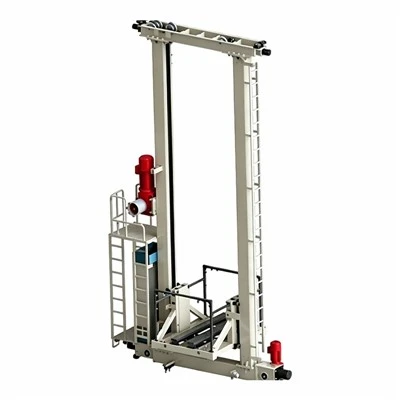
Hey there! I’m an AGV supplier, and I’ve seen firsthand how crucial it is to optimize AGV routes. AGVs are basically like the unsung heroes of modern warehouses and factories. They zip around, moving goods from one place to another, making the whole operation run smoother. But if their routes aren’t optimized, it’s like trying to drive through a city during rush hour without a GPS. You’re gonna waste a lot of time and energy. Automated Guided Vehicle
Why Route Optimization Matters
Let’s start by talking about why optimizing AGV routes is such a big deal. First off, it saves time. When an AGV has a clear, efficient path to follow, it can get its job done faster. This means that your overall production or distribution process speeds up. For example, in a large warehouse, an AGV might have to pick up a pallet from one end and deliver it to a loading dock on the other. If it’s taking a long, winding route, it could be adding minutes to each trip. Multiply that by dozens or even hundreds of trips a day, and you’re looking at a significant amount of lost time.
Secondly, it saves energy. AGVs run on batteries, and the longer they’re out traveling inefficient routes, the more energy they use. This not only means more frequent battery charging or replacement, but it also adds to your operational costs. By optimizing the route, you can reduce the distance the AGV has to travel, which in turn reduces its energy consumption.
Another important aspect is safety. An optimized route takes into account potential obstacles, traffic flow, and other safety factors. This helps prevent collisions between AGVs, as well as with human workers or other equipment in the facility. A well – planned route can also ensure that the AGV doesn’t have to make sudden stops or sharp turns, which can be dangerous.
Factors to Consider for Route Optimization
Now, let’s dive into the factors you need to consider when optimizing an AGV route.
Layout of the Facility
The first thing you need to look at is the layout of your warehouse or factory. You need to know where all the storage areas, workstations, and loading docks are located. Are there any narrow aisles, sharp corners, or areas with high traffic? These are all important factors that can affect the AGV’s route. For example, if there’s a narrow aisle that only one AGV can pass through at a time, you’ll need to plan the routes so that AGVs don’t try to enter the aisle at the same time.
Traffic Patterns
Understanding the traffic patterns in your facility is also crucial. When are the busiest times? Are there certain areas that get more traffic than others? You can use data from sensors or previous AGV operations to identify these patterns. Once you know this information, you can plan the routes to avoid peak traffic times and congested areas. For instance, if the area near the receiving dock is always crowded in the morning, you might schedule AGVs to make their trips to that area later in the day.
Load and Capacity
The type and size of the load the AGV is carrying can also impact the route. Some loads might be too large or heavy to navigate certain areas, like steep ramps or tight turns. You need to make sure that the route you choose is suitable for the specific load. Additionally, you need to consider the AGV’s capacity. If it’s carrying a full load, it might need a different route than when it’s empty. For example, a fully – loaded AGV might need a wider turning radius.
Obstacles and Hazards
There could be various obstacles and hazards in the facility, such as machinery, temporary storage, or even human workers. You need to map out these obstacles and plan the routes to avoid them. This might involve creating detours or using sensors on the AGV to detect and avoid obstacles in real – time. For example, if there’s a piece of machinery that’s being repaired in an aisle, you can program the AGV to take an alternate route until the repair is completed.
Techniques for Route Optimization
There are several techniques you can use to optimize AGV routes.
Map – Based Planning
One of the most common methods is map – based planning. You create a detailed map of your facility, including all the storage areas, workstations, and obstacles. Then, you can use algorithms to find the shortest and safest routes between different points on the map. There are many software tools available that can help with this. For example, you can input the starting point, the destination, and any restrictions (like avoiding certain areas), and the software will generate an optimized route.
Real – Time Adaptation
In addition to map – based planning, real – time adaptation is also very important. AGVs can be equipped with sensors, such as lasers, cameras, or ultrasonic sensors, to detect changes in the environment. If an obstacle suddenly appears in the planned route, the AGV can quickly adjust its course and find an alternate path. This is especially useful in dynamic environments where the layout or traffic conditions can change frequently.
Route Sharing and Coordination
If you have multiple AGVs in your facility, route sharing and coordination are essential. You need to make sure that the AGVs don’t interfere with each other’s routes. You can use a central control system to assign routes to the AGVs and avoid conflicts. For example, the control system can ensure that two AGVs don’t try to enter the same narrow aisle at the same time. It can also adjust the routes of the AGVs based on their real – time positions and tasks.
Implementing Route Optimization
So, how do you actually implement route optimization in your facility?
Assess Your Current Situation
The first step is to assess your current AGV operations. Look at the existing routes, the traffic patterns, and any issues you’ve been having. Collect data on AGV travel times, energy consumption, and the number of collisions or delays. This will give you a baseline to work from and help you identify areas that need improvement.
Choose the Right Tools and Technologies
As I mentioned earlier, there are many software tools and sensors available for route optimization. You need to choose the ones that are best suited for your facility and your AGVs. Consider factors like the size of your facility, the complexity of your operations, and your budget. For example, if you have a large warehouse with a lot of dynamic obstacles, you might need more advanced sensors and a sophisticated control system.
Train Your Staff
It’s important to train your staff on how to use the new route optimization system. This includes operators, maintenance personnel, and managers. They need to understand how the system works, how to interpret the data, and how to make adjustments if necessary. Training will ensure that the system is used effectively and that everyone is on board with the new processes.
Monitor and Evaluate
Once you’ve implemented the route optimization system, you need to monitor and evaluate its performance. Keep track of the key metrics, such as travel time, energy consumption, and the number of collisions. Compare these metrics to the baseline data you collected earlier. If you’re not seeing the expected improvements, you might need to make some adjustments to the system or the routes.
Conclusion
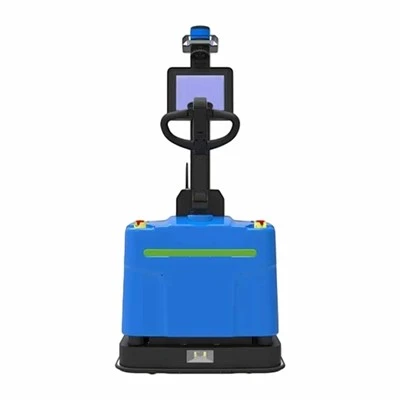
Autonomous Mobile Robot Optimizing the route of an Automated Guided Vehicle is a complex but very rewarding task. It can save you time, energy, and money, while also improving the safety and efficiency of your operations. As an AGV supplier, I’ve helped many companies implement effective route optimization strategies. If you’re interested in learning more about how we can help you optimize your AGV routes and improve your overall operations, don’t hesitate to reach out. We can have a detailed discussion about your specific needs and come up with a customized solution for you.
References
- "Automated Guided Vehicle Technology and Applications" by John Doe
- "Warehouse Automation and Route Optimization" by Jane Smith
- Industry reports on AGV operations and route optimization
Shenzhen Ginnee Intelligent Warehousing Robotics Co., Ltd.
As one of the most professional automated guided vehicle suppliers in China, we’re featured by quality products and low price. Please rest assured to wholesale durable automated guided vehicle in stock here and get quotation from our factory. We also accept customized orders.
Address: Room101, No.162 JunXin Road, Niuhu Community, Guanlan Strect, Longhua District, Shenzhen, Guangdong Province, China.
E-mail: huangyongmei@szginnee.com
WebSite: https://www.ginneerobotics.com/
