Ensuring the hygiene of a rotary tablet press is of paramount importance in the pharmaceutical and nutraceutical industries. As a supplier of rotary tablet presses, I have witnessed firsthand the critical role that proper hygiene plays in maintaining product quality, safety, and regulatory compliance. In this blog post, I will share some key strategies and best practices for ensuring the hygiene of a rotary tablet press. Rotary Tablet Press
Understanding the Importance of Hygiene
Before delving into the specific methods for maintaining hygiene, it’s essential to understand why it is so crucial. In the manufacturing of tablets, any contamination can lead to a variety of issues, including product recalls, loss of consumer trust, and regulatory penalties. Contaminants can come from various sources, such as dust, microorganisms, chemical residues, and foreign particles. A clean and hygienic tablet press not only ensures the quality of the final product but also extends the lifespan of the equipment and reduces the risk of breakdowns.
Design Features for Hygiene
One of the first steps in ensuring hygiene is selecting a rotary tablet press with appropriate design features. A well-designed machine will have smooth surfaces that are easy to clean and sanitize. Sharp edges, crevices, and hard-to-reach areas should be minimized or eliminated as they can trap dirt and debris.
Stainless steel is the material of choice for most components of a rotary tablet press. It is corrosion-resistant, durable, and can withstand repeated cleaning and sterilization processes. Additionally, the use of seals and gaskets made from food-grade or pharmaceutical-grade materials prevents the ingress of contaminants into the internal parts of the machine.
Regular Cleaning Protocols
Establishing a regular cleaning schedule is fundamental to maintaining the hygiene of a rotary tablet press. After each production run, a thorough cleaning should be carried out to remove any residual powders, tablets, or lubricants. The cleaning process typically involves disassembling the removable parts, such as the punch and die set, feeder, and hopper.
These parts can be cleaned using a combination of manual and automated methods. Manual cleaning may involve soaking the parts in a cleaning solution and scrubbing them with a soft brush to remove stubborn residues. Automated cleaning systems, such as clean-in-place (CIP) and sterilize-in-place (SIP) systems, can also be used to clean the internal components of the machine without disassembly.
Sanitization and Disinfection
After cleaning, the parts and the entire machine should be sanitized and disinfected to eliminate any remaining microorganisms. Sanitization reduces the number of microorganisms to a safe level, while disinfection kills a wider range of pathogens.
Common sanitizing agents include alcohol-based solutions, quaternary ammonium compounds, and hydrogen peroxide. These agents should be applied according to the manufacturer’s instructions and allowed to remain on the surfaces for the recommended contact time to ensure effectiveness.
Personnel Hygiene
The hygiene of the personnel operating the rotary tablet press is also crucial. Operators should wear appropriate personal protective equipment (PPE), such as lab coats, gloves, hairnets, and masks, to prevent the introduction of contaminants from their bodies.
Regular handwashing and proper hand hygiene are essential before and after handling the machine and its components. Training programs should be provided to operators to educate them on the importance of hygiene and the correct procedures for cleaning, sanitizing, and operating the tablet press.
Environmental Control
The environment in which the rotary tablet press is located also plays a significant role in maintaining hygiene. The production area should be kept clean and free from dust, dirt, and other contaminants. Air filtration systems, such as high-efficiency particulate air (HEPA) filters, can be installed to remove airborne particles.
Temperature and humidity control are also important factors. Excessive heat and humidity can promote the growth of microorganisms and affect the quality of the tablets. A well-ventilated and climate-controlled environment helps to prevent these issues.
Preventive Maintenance
Regular preventive maintenance is essential for ensuring the proper functioning of the rotary tablet press and maintaining its hygiene. This includes inspecting the machine for wear and tear, replacing worn parts, and lubricating moving components as needed.
During maintenance procedures, it is important to follow strict hygiene protocols to prevent the introduction of contaminants. Tools and equipment used for maintenance should be cleaned and sanitized before and after use.
Documentation and Record-Keeping
Maintaining accurate documentation and records of all cleaning, sanitization, maintenance, and inspection activities is crucial for regulatory compliance and quality control. These records should include details such as the date and time of the activity, the cleaning agents and procedures used, and the results of any tests or inspections.
Documenting these activities provides a history of the machine’s cleanliness and maintenance, which can be used to demonstrate compliance with regulatory requirements and to identify any potential issues or trends.
Quality Control and Validation
Regular quality control checks should be carried out to ensure that the hygiene standards of the rotary tablet press are being met. This may include microbiological testing of the machine surfaces and the final product, as well as visual inspections for any signs of contamination.
Validation of the cleaning and sanitization processes is also important. This involves demonstrating that the processes are effective in removing contaminants and reducing the microbial load to an acceptable level. Validation studies should be conducted periodically and documented to ensure the ongoing effectiveness of the hygiene protocols.
Training and Education
Continuous training and education of the operators and maintenance personnel are essential for ensuring the proper implementation of hygiene practices. Training programs should cover topics such as the importance of hygiene, the correct use of cleaning and sanitizing agents, the proper maintenance of the machine, and the identification and prevention of contamination.
By providing employees with the knowledge and skills they need to maintain a hygienic environment, you can reduce the risk of product contamination and ensure the quality and safety of your tablets.
Conclusion

Ensuring the hygiene of a rotary tablet press is a multi-faceted process that requires a combination of proper design, regular cleaning and sanitization, personnel hygiene, environmental control, preventive maintenance, documentation, quality control, and training. By implementing these strategies and best practices, you can minimize the risk of contamination, improve the quality of your tablets, and ensure regulatory compliance.
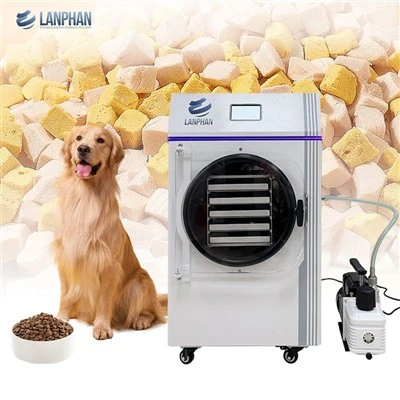
Home Freeze Dryer If you are interested in learning more about our rotary tablet presses and how we can help you maintain the highest standards of hygiene in your tablet manufacturing process, please do not hesitate to contact us. Our team of experts is ready to assist you in selecting the right equipment and providing you with the support and guidance you need to succeed.
References
- Pharmaceutical Press. Handbook of Pharmaceutical Manufacturing Formulations: Tablets Volume 1.
- European Union Commission. Good Manufacturing Practice Guide for Medicinal Products for Human and Veterinary Use.
- United States Pharmacopeia (USP). General Chapter <1072> Microbiological Attributes of Nonsterile Pharmaceutical Products.
Henan Lanphan Industry Co., Ltd.
We’re well-known as one of the leading rotary tablet press suppliers in China, featured by quality products and good price. Please rest assured to wholesale durable rotary tablet press for sale here from our factory. For more information, contact us now.
Address: Room 801, East Tower, Xiyuan Square, Zhongyuan District, Zhengzhou City, Henan Province
E-mail: lanphanindustry@lanphan.com
WebSite: https://www.lanphanindustry.com/
