Hey there! I’m a supplier of school desk and chair sets, and today I wanna chat about the materials commonly used for these sets. As someone in the biz, I’ve seen firsthand the different options out there and how each one affects the quality, durability, and cost of our products. So, let’s dive right in! School Desk and Chair Set
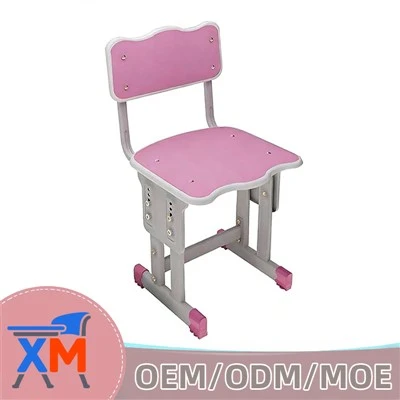
Wood
Wood is probably one of the oldest and most popular materials for school desks and chairs. It has a natural, warm look that makes any classroom feel inviting. There are a few types of wood you’ll often come across.
Oak is a top – pick. It’s super strong and durable, which is a must – have in a school environment where the furniture gets a lot of use. Oak can withstand scratches and knocks pretty well, and it has a nice grain pattern that adds a touch of elegance. However, it can be a bit pricey.
Maple is another great option. It’s also strong and has a light color that gives a bright and clean look to the classroom. Maple is a bit more affordable than oak, and it’s easy to stain or paint if you want to match a specific school color scheme.
The good thing about wooden desks and chairs is that they’re easy to repair. If a leg breaks or a part gets chipped, you can usually just patch it up or replace the damaged piece. But wood does need some maintenance. You have to keep it dry to prevent warping and sometimes apply a fresh coat of finish to keep it looking good.
Plastic
Plastic has become really popular in recent years for school furniture. It’s lightweight, which is great for students to move the desks and chairs around when they need to for group work or other activities.
Polypropylene is a common type of plastic used. It’s very resistant to chemicals, stains, and impact. You won’t have to worry too much about spills or kids accidentally hitting the furniture. It also comes in a wide range of colors, so you can choose something that’ll make the classroom more fun and engaging.
High – density polyethylene (HDPE) is another good option. It’s even more durable than polypropylene and can handle extreme temperatures better. This makes it suitable for both indoor and outdoor use, like for school picnic areas or outdoor classrooms.
One of the big advantages of plastic is the cost. It’s generally cheaper to produce than wood or metal, so you can get more desks and chairs for your budget. But the downside is that it might not look as high – end as wood, and over time, it can start to show signs of wear, like fading or cracking.
Metal
Metal desks and chairs are known for their strength and durability. They can handle heavy use and are less likely to break under pressure.
Steel is a common choice. It’s strong, rigid, and can support a lot of weight. Steel desks and chairs are often used in high – traffic areas or for older students who might be a bit rougher on the furniture. The frames are usually very sturdy, and they can be powder – coated to prevent rust and give them a nice finish.
Aluminum is another metal that’s used, especially for outdoor furniture. It’s lightweight compared to steel but still quite strong. Aluminum doesn’t rust, which is a huge plus for outdoor use. However, it can be a bit more expensive than steel.
Metal furniture is low – maintenance. You don’t have to worry about spills or water damage like you do with wood. But it can be noisy if students move the chairs around a lot, and it might not be as comfortable as wood or plastic due to its hard surface.
MDF (Medium – Density Fiberboard)
MDF is a composite wood product made from wood fibers glued together under heat and pressure. It’s a popular choice for school desks because it’s affordable and easy to work with.
It has a smooth surface, which makes it ideal for painting or laminating. You can give it a nice, clean look that matches the school’s decor. MDF is also less likely to warp compared to solid wood, as the wood fibers are evenly distributed.
But it does have its drawbacks. It’s not as strong as solid wood, so it might not be suitable for high – stress areas. If it gets wet, it can swell and become damaged, so it needs to be kept dry.
Laminate
Laminate is often used as a surface material for desks and chairs. It’s a thin layer that’s applied to a substrate, like MDF or particleboard.
It comes in a wide variety of colors and patterns, so you can mimic the look of wood, stone, or other materials at a lower cost. Laminate is resistant to scratches, stains, and heat, which makes it a practical choice for school use.
However, if the edge of the laminate gets damaged, it can start to peel, and it might not be as aesthetically pleasing as real wood in the long run.
Foam
When it comes to the seating part of chairs, foam is commonly used for cushioning. There are different types of foam available.
Polyurethane foam is a popular choice. It’s soft, comfortable, and can conform to the shape of the person sitting on it. It also has good resilience, which means it’ll bounce back to its original shape after being compressed.
Memory foam is another option. It’s even more comfortable than polyurethane foam as it molds to the body’s contours, providing better support. But it’s usually more expensive.
Foam needs to be covered with a fabric or vinyl layer to protect it. The cover material also affects the overall look and durability of the chair.
Upholstery Fabrics and Vinyl
Upholstery fabrics can add a touch of comfort and style to school chairs. There are different grades of fabric available. High – quality fabrics are often stain – resistant and easy to clean, which is essential in a school setting. Cotton – blend fabrics are common as they’re soft and breathable.
Vinyl is a synthetic alternative to fabric. It’s very durable, easy to clean, and resistant to water and stains. It’s a good choice for areas where there’s a high risk of spills, like in science labs or cafeterias. However, it might not be as comfortable as fabric, especially in hot weather.
As a school desk and chair set supplier, I know that choosing the right material depends on a few things. You’ve got to think about the budget, the age of the students, the type of classroom (indoor or outdoor), and the overall style you’re going for.
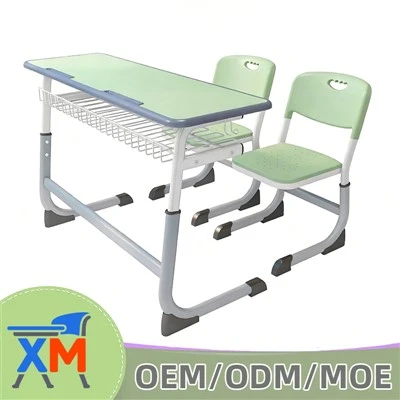
If you’re on a tight budget, plastic or MDF with a laminate surface might be your best bet. They offer good value for money and can still look great. For a more high – end look and long – term durability, oak or steel furniture is a top choice.
Classroom Chair If you’re running a school or an educational institution and are looking for the perfect desk and chair sets for your students, I’d love to talk to you. Whether you have a specific material in mind or need some advice on what would work best for your situation, I’m here to help. Just reach out, and we can start discussing how to create the ideal learning environment with the right furniture.
References
- Smith, J. (2020). Furniture Materials: A Comprehensive Guide. Publisher: Furniture Press
- Brown, M. (2019). School Furniture Trends and Materials. Journal of Educational Facilities, 12(3), 45 – 58.
Shanghai Xinmu Industrial Co., Ltd.
We are one of the most professional school desk and chair set manufacturers and suppliers in China. With abundant experience, we warmly welcome you to wholesale customized school desk and chair set at competitive price from our factory. If you have any enquiry about pricelist, please feel free to email us.
Address: 3rd Floor, NO.5# Building, No. 288 Rongxing Road, Songjiang District, Shanghai
E-mail: sales@xinmugroup.com
WebSite: https://www.xinmufurniture.com/
