The PET injection molding process is a highly specialized and intricate manufacturing method that is widely used in the production of various plastic products, especially bottles for beverages, food, and pharmaceuticals. In this process, a dryer plays a crucial role that cannot be overlooked. As a supplier of PET injection molding machines, I have witnessed firsthand the significance of the dryer in ensuring the quality and efficiency of the entire process. PET Injection Molding Machine

The Importance of Drying in PET Injection Molding
PET, or polyethylene terephthalate, is a hygroscopic polymer, which means it has a strong tendency to absorb moisture from the surrounding environment. Even a small amount of moisture in the PET resin can have a detrimental effect on the final product. When the PET resin containing moisture is heated during the injection molding process, the water turns into steam. This steam can cause a variety of problems, such as bubble formation, surface defects, and reduced mechanical properties of the molded part.
Bubble formation is one of the most obvious issues caused by moisture in PET resin. When the steam expands during the molding process, it creates voids within the molded part. These bubbles not only affect the aesthetic appearance of the product but also weaken its structural integrity. Surface defects, such as splay marks, can also occur due to the presence of moisture. Splay marks are small, tree – like patterns on the surface of the molded part, which are caused by the rapid expansion of steam at the surface as the molten plastic fills the mold cavity.
In addition to aesthetic and structural problems, moisture in PET resin can lead to a reduction in mechanical properties. The presence of water can cause hydrolysis of the PET polymer chains, breaking them down into smaller fragments. This results in a decrease in molecular weight, which in turn leads to reduced strength, toughness, and impact resistance of the molded part.
The Role of the Dryer in the PET Injection Molding Process
The primary role of the dryer in the PET injection molding process is to remove moisture from the PET resin to an acceptable level. A high – quality dryer can reduce the moisture content of the PET resin to less than 0.005%, which is the recommended level for most PET injection molding applications.
There are several types of dryers commonly used in the PET injection molding process, including desiccant dryers and hopper dryers. Desiccant dryers are the most effective and widely used type for drying PET resin. They work by passing hot, dry air through a bed of desiccant material, such as silica gel or molecular sieves. The desiccant material adsorbs the moisture from the air, and the dry air is then circulated through the PET resin in the drying hopper.
The drying process in a desiccant dryer typically consists of three main stages: pre – heating, drying, and cooling. In the pre – heating stage, the PET resin is heated to a temperature slightly below its glass transition temperature (around 70 – 80°C). This helps to soften the resin and make it easier for the moisture to diffuse out of the resin particles.
During the drying stage, the hot, dry air is passed through the resin in the drying hopper at a constant temperature (usually around 160 – 180°C) for a specific period of time. The length of the drying time depends on various factors, such as the initial moisture content of the resin, the type of dryer, and the production rate. Generally, a drying time of 3 – 6 hours is required to achieve the desired moisture level.
In the cooling stage, the dried resin is cooled down to a temperature that is suitable for injection molding. This helps to prevent the resin from re – absorbing moisture from the surrounding environment before it is injected into the mold.
Hopper dryers, on the other hand, are simpler and less expensive than desiccant dryers. They work by circulating heated air through the PET resin in the hopper. However, hopper dryers are less effective in removing moisture compared to desiccant dryers, especially for high – moisture – content PET resin. They are often used for short – term drying or for less critical applications.
Impact of Dryer Performance on Product Quality
The performance of the dryer has a direct impact on the quality of the final molded product. A well – functioning dryer can ensure that the PET resin is dried to the appropriate moisture level, which in turn leads to high – quality molded parts.
When the dryer is able to maintain a consistent drying temperature and airflow, the moisture content of the resin is evenly reduced throughout the drying hopper. This results in a more uniform melt flow during the injection molding process, which helps to produce parts with consistent dimensions, good surface finish, and high mechanical properties.
On the contrary, if the dryer is not performing properly, such as having inconsistent temperature or airflow, the resin may not be dried evenly. This can lead to variations in the moisture content of the resin, which can cause problems such as uneven shrinkage, warping, and poor weld line strength in the molded parts.
For example, if the resin in one area of the drying hopper is over – dried while the resin in another area is under – dried, the difference in moisture content can cause the resin to melt at different rates during the injection molding process. This can lead to uneven filling of the mold cavity and result in parts with non – uniform thickness and shape.
Impact of the Dryer on Process Efficiency
In addition to product quality, the dryer also plays an important role in improving the efficiency of the PET injection molding process. A high – performance dryer can reduce the drying time required for the PET resin, which can increase the production rate of the injection molding machine.
By using advanced drying technologies, such as desiccant dryers with high – efficiency desiccant materials and precise temperature control systems, the dryer can remove moisture from the resin more quickly and effectively. This allows the injection molding machine to start the molding process sooner, reducing the overall cycle time and increasing the number of parts produced per hour.
Moreover, a well – maintained dryer can also reduce the energy consumption of the drying process. Modern dryers are designed with energy – saving features, such as heat recovery systems and variable – speed fans. These features can help to reduce the amount of electricity or gas required to heat the air and circulate it through the drying hopper, resulting in lower operating costs for the injection molding process.
Choosing the Right Dryer for Your PET Injection Molding Process
As a supplier of PET injection molding machines, I often receive inquiries from customers about choosing the right dryer for their specific applications. When selecting a dryer, several factors need to be considered.
Firstly, the capacity of the dryer should be matched to the production rate of the injection molding machine. A dryer with a too – low capacity may not be able to dry the resin fast enough to keep up with the demand of the molding machine, leading to production delays. On the other hand, a dryer with a too – high capacity will be more expensive to purchase and operate, and may also waste energy.
Secondly, the type of dryer should be selected based on the moisture content of the PET resin and the requirements of the final product. For most PET injection molding applications, a desiccant dryer is recommended due to its high efficiency in removing moisture. However, for some less critical applications or short – term drying, a hopper dryer may be a more cost – effective option.
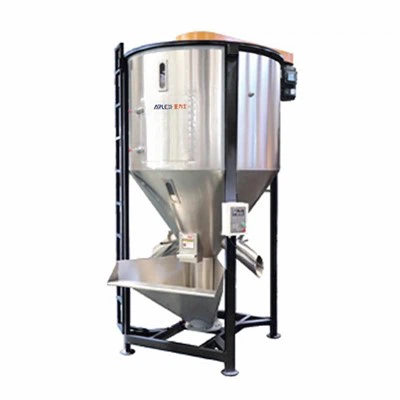
Finally, the quality and reliability of the dryer are also important considerations. A high – quality dryer with a good reputation for reliability will require less maintenance and downtime, which can help to ensure the smooth operation of the injection molding process.
Conclusion
Plastic Injection Moulding Machine In conclusion, the dryer is an essential component in the PET injection molding process. It plays a crucial role in removing moisture from the PET resin, ensuring the quality and efficiency of the final molded products. As a PET injection molding machine supplier, I understand the importance of having a high – performance dryer in the production line. If you are looking for a reliable PET injection molding solution, including high – quality dryers, I encourage you to contact us to discuss your specific requirements. We have a team of experts who can provide professional advice and guidance to help you choose the right equipment for your business.
References
- "Plastic Injection Molding Handbook" by Dominick V. Rosato, Donald V. Rosato, and Michael G. Rosato.
- "PET Processing Handbook" by Manfred Gloor.
Ningbo Yalishi (Arlex) Plastic Machinery Co., Ltd.
Address: No.63, Huangsu East Road, Industrial Zone, Dongqian Lake Tourist Resort, Ningbo, Zhejiang Province
E-mail: leo@arlex.cn
WebSite: https://www.arleximm.com/
