As a supplier specializing in square nuts, I’ve had the privilege of witnessing firsthand the unique characteristics that set these fasteners apart from other types of nuts. In this blog post, I’ll delve into the key differences between square nuts and their counterparts, exploring their design, functionality, and applications. Square Nut
Design
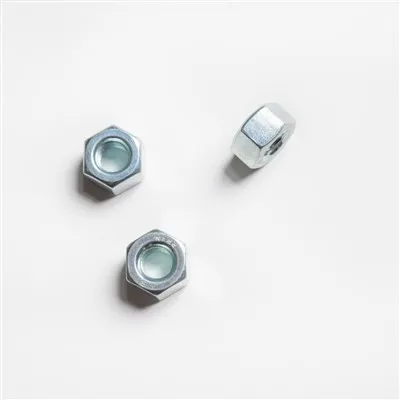
One of the most obvious differences between square nuts and other nuts is their shape. As the name suggests, square nuts have a square-shaped body, while other common types of nuts, such as hex nuts, have a hexagonal shape. This square design gives square nuts a distinct appearance and offers several practical advantages.
The square shape of these nuts provides a larger surface area for contact with the mating surface. This increased contact area can distribute the clamping force more evenly, reducing the risk of damage to the material being fastened. In applications where a high level of stability and load-bearing capacity is required, the square nut’s design can be particularly beneficial.
Another design aspect that differentiates square nuts is the way they are tightened. Unlike hex nuts, which are typically tightened using a wrench that grips the six sides of the hexagon, square nuts can be tightened using a wrench that grips the four sides of the square. This can be advantageous in situations where there is limited space for a wrench to maneuver, as the square shape allows for a more compact tightening tool to be used.
Functionality
In terms of functionality, square nuts offer several unique features that make them suitable for specific applications. One of the key functions of any nut is to provide a means of securing a bolt or screw in place, creating a strong and reliable connection. Square nuts excel in this regard, as their square shape provides a more secure grip on the mating surface, reducing the likelihood of the nut loosening over time.
The square shape of the nut also helps to prevent rotation when the bolt or screw is tightened. This is particularly important in applications where vibration or movement is present, as it can prevent the nut from backing off and causing the connection to fail. For example, in machinery or automotive applications where there is a lot of vibration, square nuts can help to maintain the integrity of the connection and ensure the safe and reliable operation of the equipment.
Another functional advantage of square nuts is their compatibility with square-headed bolts or screws. In some applications, square-headed fasteners are preferred over hex-headed fasteners due to their increased resistance to rotation and their ability to be tightened using a simple open-end wrench. Square nuts are specifically designed to mate with square-headed fasteners, providing a perfect match and ensuring a secure and reliable connection.
Applications
Square nuts find a wide range of applications in various industries, each taking advantage of their unique design and functionality. One of the most common applications of square nuts is in the construction industry. In building construction, square nuts are often used to secure structural steel components, such as beams and columns, in place. Their large surface area and even distribution of clamping force make them ideal for providing a strong and stable connection in these high-stress applications.
The automotive industry also makes extensive use of square nuts. In automotive manufacturing, square nuts are used to secure various components, such as engine mounts, suspension parts, and brake systems. Their resistance to vibration and rotation helps to ensure the safe and reliable operation of these critical components, even under the most demanding conditions.
In the furniture industry, square nuts are often used in the assembly of wooden furniture. Their square shape allows for a more precise and secure connection between wooden parts, providing a strong and durable joint. The square nut’s ability to be tightened using a simple wrench also makes it easy to assemble and disassemble furniture, making it a popular choice for both manufacturers and consumers.
Advantages Over Other Types of Nuts
Compared to other types of nuts, such as hex nuts, square nuts offer several distinct advantages. One of the main advantages is their increased stability. The square shape of the nut provides a larger surface area for contact with the mating surface, which helps to distribute the clamping force more evenly and reduces the risk of the nut loosening over time. This makes square nuts particularly suitable for applications where a high level of stability and load-bearing capacity is required.
Another advantage of square nuts is their resistance to rotation. The square shape of the nut helps to prevent it from rotating when the bolt or screw is tightened, even in applications where there is a lot of vibration or movement. This makes square nuts ideal for use in machinery, automotive, and other applications where the integrity of the connection is critical.
In addition, square nuts are often easier to install and remove than other types of nuts. Their square shape allows for a more compact tightening tool to be used, which can be particularly useful in situations where there is limited space for a wrench to maneuver. This can save time and effort during the installation and maintenance process.
Disadvantages and Limitations
While square nuts offer many advantages, they also have some disadvantages and limitations. One of the main disadvantages is their relatively lower availability compared to other types of nuts, such as hex nuts. Hex nuts are more commonly used and are therefore more readily available in a wider range of sizes and materials. This can make it more difficult to find square nuts in certain sizes or materials, especially in紧急 situations.
Another limitation of square nuts is their lower resistance to rounding. The square shape of the nut has four sharp corners, which can be more prone to rounding or damage during tightening or removal. This can make it more difficult to achieve a proper torque and can reduce the overall lifespan of the nut. In applications where repeated tightening and removal are required, hex nuts may be a more suitable choice.
Cost Considerations
When it comes to cost, square nuts are generally more expensive than hex nuts. This is due to the more complex manufacturing process required to produce square nuts, as well as their relatively lower production volume. The higher cost of square nuts may not be a significant factor in some applications, especially where their unique advantages are essential. However, in applications where cost is a major consideration, hex nuts may be a more economical choice.
Conclusion
In conclusion, square nuts offer a unique combination of design, functionality, and advantages that set them apart from other types of nuts. Their square shape provides a larger surface area for contact, increased stability, and resistance to rotation, making them ideal for applications where a high level of performance and reliability is required. While they may have some disadvantages and limitations, such as lower availability and higher cost, their benefits often outweigh these drawbacks in specific applications.
Stainless Rods As a supplier of square nuts, I am committed to providing high-quality products that meet the diverse needs of our customers. Whether you’re in the construction, automotive, furniture, or any other industry, I invite you to explore the possibilities of using square nuts in your applications. If you have any questions or would like to discuss your specific requirements, please do not hesitate to contact me for a procurement discussion. I look forward to the opportunity to work with you and help you find the perfect square nut solutions for your projects.
References
- Machinery’s Handbook, 31st Edition, Industrial Press Inc.
- Fasteners and Their Applications: Design, Selection, and Use, 2nd Edition, William A. Nash
- Standard Handbook of Fastening and Joining, 2nd Edition, H. Arthur Rothbart
Jiaxing Jinling Hardware Technolgy Joint Stock Co., Ltd.
As one of the most experienced square nut manufacturers and suppliers in China, we also support customized service. Please feel free to buy bulk high-grade square nut made in China here from our factory. For quotation and price list, contact us now.
Address: No.32, Shenjiadai, Xuyouche Village, Qinshan Subdistrict, Haiyan County, Zhejiang Province, China
E-mail: jlzxl@jinlingfstn.com
WebSite: https://www.china-nut-factory.com/
