If you’ve ever stopped to watch a farmer or feed handler seal a woven livestock feed bag, you’ve probably noticed they don’t all do it the same way. I’ve worked in the livestock feed woven bag supply business for over a decade, and one of the most common questions I get from farmers, feed mill operators, and industry peers is this: Are there different types of closures for these bags? The short answer is a resounding yes—and choosing the right closure isn’t just a matter of preference. It’s tied to shelf life, safety, labor costs, and even regulatory requirements for livestock feed. Today, I want to break down the most common closure types we supply, when each works best, and why understanding this difference can save you time, money, and headaches in your operations. Livestock Feed Woven Bags
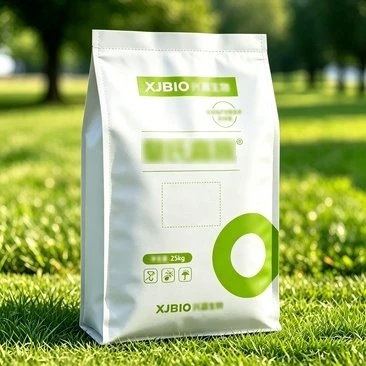
Let’s start with the basics: Woven livestock feed bags aren’t one-size-fits-all, and their closures are tailored to how they’re filled, transported, stored, and opened by end users. Most of these bags are made from polypropylene (PP) woven fabric, which is durable, moisture-resistant, and lightweight—perfect for holding 20kg, 25kg, or 50kg of feed for cattle, poultry, swine, or other livestock. But the closure is the final line of defense keeping feed dry, free of pests, and intact during shipping. Over the years, we’ve seen closures evolve to meet new industry needs, from smaller family farms to large industrial feed manufacturing facilities.
First up, the most traditional closure we’ve supplied for decades: the heat-sealed closure. This is exactly what it sounds like—after the bag is filled with feed, the open top is run through a heat sealer that melts the PP fabric together, creating a tight, airtight seal. I still remember my grandfather, who started this business back in the 1970s, saying heat sealing was a game-changer because it eliminated the need for twine and reduced spillage during transport. For many small to mid-sized farms, it’s still a go-to because it’s fast and requires no extra supplies beyond a basic heat sealer. But it’s not without drawbacks. Heat-sealed bags require specialized equipment—you can’t just use a handheld tool at a remote farm stand, for example. Also, once sealed, the bag is almost impossible to re-open without scissors or a knife, which can damage the feed inside if you’re not careful. And in humid climates, we’ve noticed that some heat seals can weaken over time if they’re not applied correctly, leading to small gaps that let in moisture. That’s why we started offering reinforced heat seals a few years back—they add an extra layer of woven PP around the sealed edge, which improves durability in high-humidity regions like the Midwest U.S. or parts of Southeast Asia.
Next, the stitched closure—probably the most versatile type we supply. Stitching uses heavy-duty polypropylene twine or polyester thread to sew the open top of the bag closed, and there are a few different stitch patterns depending on the use case. The most common is the chain stitch, which is flexible and strong, good for bags that need to be opened and re-sealed multiple times. For example, a dairy farm that buys 50kg bags of calf starter might re-open a bag every few days to feed small batches, so being able to untie the twine and re-seal it with a quick knot is a huge plus. We also offer the lock stitch, which is tighter and more secure, ideal for feed that’s more prone to spilling or attracting pests—like molasses-based feeds or high-protein pellets. Stitched closures are great because they work with almost any sealing equipment: portable hand-held stitchers for small farms, or automated lines for large feed mills that can stitch hundreds of bags an hour. The downside? It’s a bit slower than heat sealing on a per-bag basis, and if the twine is low quality, it can fray or break during transport. That’s why we only source industrial-grade twine for our stitched bags—no cheap, thin twine that snaps after a few uses. I once had a customer in Kansas switch to our reinforced stitched bags because their old twine was breaking during trucking, leading to feed spillage that attracted rodents. They told us within six months, they’d cut their rodent control costs by 30%—that’s the kind of impact choosing the right closure makes.
Then there’s the newer kid on the block: the adhesive closure. This is a strip of heavy-duty industrial adhesive applied to the inside or outside of the bag’s open edge, so once filled, you just peel off the protective backing and press the two sides of the bag together to seal it. It’s simple, fast, and re-sealable—perfect for feed that’s used in smaller quantities, like specialty feeds for exotic poultry or show animals. Adhesive closures are also great for operations that don’t want to invest in expensive heat sealing or stitching equipment. For small-scale producers or farmers who only fill a few bags a week, an adhesive closure bag is easy to use—no training required, no extra tools. The catch here is that adhesive can lose its stickiness in extreme temperatures, either very hot or very cold. We learned this the hard way a few years back when we supplied a batch of adhesive closure bags to a customer in Arizona who stored feed in unventilated metal bins. The high summer heat softened the adhesive, leading to some bags opening prematurely. So now we test all our adhesive closures for temperature resistance, and we label them clearly for use in moderate climates, or we recommend stitched closures for regions with extreme temperatures. It’s all about matching the closure to the end user’s environment.
We also supply a specialty closure that’s often overlooked but super important for certain feed types: the valve closure. Wait, why would a feed bag need a valve? Because valve bags are designed for pneumatic filling—used in large industrial feed mills that blow feed (like fine corn meal or soy meal) into the bag through a valve at the top. This is way faster than manual filling, and it reduces dust, which is a big safety concern in feed mills (fine feed dust can be explosive if not handled right). The valve itself is a small, reinforced opening that, once filled, is either heat-sealed, stitched, or even clipped shut with a heavy plastic or metal clip. Clip closures are becoming more popular with valve bags because they’re reusable—farmers can untie or unclip the bag, use what they need, and re-close it easily. But like adhesive closures, clips aren’t for every use. They add a small cost per bag, so for 50kg bags of generic cattle feed, most operators still stick to heat-sealed or stitched. For specialty fine feeds that use pneumatic filling, though, valve and clip closures are non-negotiable.
One thing I always emphasize to customers is that the closure has to work with both the bag and the feed inside. For example, if you’re packaging coarse, granular feed like whole corn, a heat-sealed closure might work because the feed doesn’t leak through small gaps. But if you’re packaging fine, powdery feed like vitamin premixes, a stitched or valve closure is better because it prevents dust from escaping during transport. We also tailor closures to regulatory needs. In the EU, for example, there are strict rules about pest control in feed packaging, so many operators there use stitched closures because the tight knot eliminates small gaps that pests can get through. In the U.S., the FDA has guidelines for packaging that prevents cross-contamination between different feed batches, so our heat-sealed bags with reinforced edges are often used because the airtight seal prevents any feed from mixing between batches.
Over the years, we’ve seen how choosing the wrong closure can create unnecessary problems. A customer in Kentucky once came to us frustrated because their feed bags were leaking during transport to their local livestock market. They’d been using cheap heat-sealed bags from a different supplier, and the seals were breaking when the bags were stacked 10 high on pallets. We suggested switching to our reinforced stitched bags with a lock stitch—they were a little more expensive per bag, but within a month, they’d cut their spillage losses by 80% and saved money on replacing feed that had been ruined by rain or dirt. That’s the kind of real-world impact that makes this work matter more than just a technical detail.
Another factor to consider is sustainability. More and more farmers and feed operators are asking for eco-friendly packaging, and closures are a big part of that. Heat-sealed bags are fully recyclable because they’re all PP fabric, while stitched bags can also be recycled, though some facilities require the twine to be removed first. Adhesive closure bags are a bit trickier because the adhesive has to be separated from the fabric during recycling, which adds a step. We’ve started offering bio-based adhesive closures made from plant-based polymers for customers who prioritize sustainability—they work just as well as traditional adhesives but break down faster in recycling facilities. It’s a growing demand, and we’re adapting our closures to meet it.
At the end of the day, there’s no “best” closure for every livestock feed woven bag. The right choice depends on your operation size, the type of feed you’re packaging, your climate, your budget, and your end user’s needs. If you’re a small family farm filling 25kg bags of sheep feed once a month, an adhesive closure bag is probably perfect for you. If you’re a 24/7 industrial feed mill packaging 50kg bags of poultry feed, you’ll likely need automated heat-sealed or valve closures to keep up with production. If you’re in a region with high humidity or a pest problem, stitched closures might be the most reliable option.
As a supplier who’s worked side by side with farmers and feed operators for years, I don’t just sell bags—I solve problems. I’ve helped customers troubleshoot leaky bags, reduce labor costs, cut down on pest issues, and adapt to new sustainability rules. If you’re looking to switch to a new closure type, or you’re having trouble with your current bags, I’d be happy to walk through your needs and recommend the right solution for your operation. Don’t hesitate to reach out to discuss your requirements, whether you need a small test order or a bulk supply for hundreds of thousands of bags. Together, we can find the right closure that works for your livestock feed needs.
Aquatic Feed Composite Bags References
- Livestock Feed Packaging: A Guide for Producers and Distributors. National Agricultural Statistics Service, U.S. Department of Agriculture, 2021.
- Polypropylene Woven Bag Closure Technologies for Agricultural Applications. Journal of Packaging Technology and Science, vol. 32, no. 4, 2019, pp. 167-182.
- Sustainability in Agricultural Packaging: Closure Materials and Recycling Practices. European Association of Packaging and the Environment, 2022.
- Pneumatic Filling and Packaging for Fine Feed Products. Feed Technology International, vol. 15, no. 2, 2020, pp. 45-51.
- Pest Control in Feed Storage: The Role of Packaging Seals. American Society of Agricultural and Biological Engineers, 2018.
Zhejiang Xifeng Packaging Co., Ltd.
We are one of the most experienced livestock feed woven bags manufacturers and suppliers in China. With a professional production team, we offer a wide range of products with superior quality. Please feel free to buy bulk livestock feed woven bags at competitive price from our factory. We also accept customized orders.
Address: Xiaojiang Town, Pingyang County, Wenzhou City, Zhejiang Province, China
E-mail: zjxifeng@126.com
WebSite: https://www.xifengpackaging.com/
