Hey there! I’m a supplier of low-voltage power cables, and today I wanna chat about whether low-voltage power cables can be used in DC circuits. It’s a question I get quite often from customers, so I figured it’d be cool to break it down here. Power Cable Low Voltage
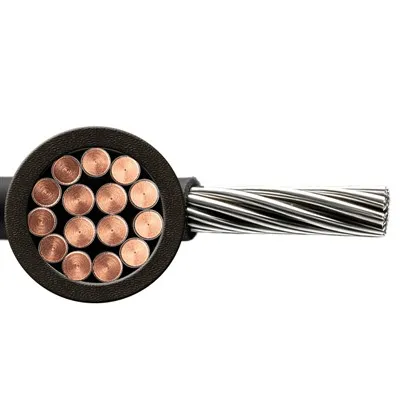
First off, let’s understand what low-voltage power cables are. These are cables designed to carry electrical power at relatively low voltages, usually up to 1kV in most cases. They’re used in all sorts of applications, like in homes, commercial buildings, and small industrial setups. They come in different types, materials, and constructions, depending on where they’ll be used and what kind of power they need to carry.
Now, let’s talk about DC circuits. Direct current (DC) is the flow of electric charge in only one direction. It’s the kind of current you get from batteries, solar panels, and some types of power supplies. Unlike alternating current (AC), which changes direction periodically, DC maintains a constant flow.
So, can low-voltage power cables work in DC circuits? The short answer is yes, they can. Low-voltage power cables are generally designed to handle electrical currents, and whether that current is AC or DC doesn’t really change the basic function of the cable. The main job of the cable is to provide a path for the electricity to flow from the power source to the load.
However, there are a few things to keep in mind when using low-voltage power cables in DC circuits.
1. Voltage Rating
The voltage rating of the cable is super important. You need to make sure that the cable’s rated voltage is higher than the DC voltage in your circuit. For example, if you have a 24V DC circuit, you’d want to use a cable rated for at least 24V, but it’s usually better to go a bit higher just to be on the safe side. If the cable’s voltage rating is too low, it could lead to insulation breakdown, which can be dangerous and cause short circuits or even fires.
2. Current-carrying Capacity
Another crucial factor is the cable’s current-carrying capacity, also known as ampacity. This is the maximum amount of current the cable can carry continuously without getting too hot. In DC circuits, the current flow is constant, so the cable needs to be able to handle that continuous load. You’ll need to calculate the current in your DC circuit and choose a cable with an ampacity that’s higher than that current. For instance, if your DC circuit is expected to carry 10 amps, you should pick a cable with an ampacity of at least 10 amps, but again, it’s smart to add some margin.
3. Insulation Materials
The insulation on the cable plays a big role. In DC circuits, the insulation doesn’t have to deal with the changing electrical fields like in AC circuits. Some insulation materials may perform better in DC applications than others. For example, certain types of polymers might have better DC insulation properties. You might need to choose a cable with insulation that’s specifically designed or tested for DC use, especially if your application has unique requirements.
4. Cable Length and Resistance
The length of the cable can also affect its performance in a DC circuit. Longer cables have more resistance, which can cause a voltage drop. In a DC circuit, a significant voltage drop can affect the performance of the load. You need to calculate the voltage drop based on the cable’s length, cross-sectional area, and the current in the circuit. If the voltage drop is too high, you may need to increase the cable’s cross-sectional area to reduce the resistance.
Now, let’s talk about some of the advantages of using low-voltage power cables in DC circuits.
Energy Efficiency
In many DC applications, like solar power systems, using low-voltage power cables can be more energy-efficient. Since DC doesn’t have the power losses associated with AC due to reactive components, the overall energy transfer can be more effective. Low-voltage cables can help transmit the DC power with less loss, especially if they’re properly sized for the application.
Simplicity
DC circuits are generally simpler than AC circuits. There’s no need to worry about things like phase angles or power factor correction. Using low-voltage power cables in DC circuits can make the installation and maintenance easier. You don’t have to deal with complex electrical systems, which can save time and money.
Compatibility
Many modern electronic devices, such as smartphones, laptops, and LED lights, run on DC power. Using low-voltage power cables to connect these devices to a DC power source is a straightforward and compatible solution. It ensures that the devices receive the correct power and operate efficiently.
But there are also some challenges or limitations.
Limited Transmission Distance
As I mentioned earlier, the resistance of the cable can cause a significant voltage drop over long distances in a DC circuit. This means that DC power transmission using low-voltage cables is usually more suitable for shorter distances. If you need to transmit power over a long distance, you may need to use higher voltages or alternative transmission methods.
Electrolysis
In some cases, especially in wet or damp environments, DC currents can cause electrolysis. Electrolysis occurs when the electrical current causes a chemical reaction in the cable and its surroundings. This can lead to corrosion of the cable conductors and insulation, reducing the cable’s lifespan and performance. You may need to take extra precautions, like using special coatings or enclosures, to prevent electrolysis.
So, if you’re thinking about using low-voltage power cables in your DC circuit, here are some tips to help you make the right choice:
- Do Your Homework: Calculate the voltage, current, and power requirements of your DC circuit. This will help you determine the appropriate cable size, voltage rating, and ampacity.
- Choose Quality Cables: Don’t skimp on the cables. Invest in high-quality low-voltage power cables from a reputable supplier. Quality cables are more likely to meet the necessary standards and perform well in your application.
- Consider the Environment: Think about where the cable will be installed. If it’s in a harsh environment, like outdoors or in a wet area, choose a cable with appropriate insulation and protection.
- Get Professional Advice: If you’re not sure about which cable is right for your DC circuit, don’t hesitate to consult with an electrical engineer or a professional in the field. They can provide valuable insights and help you make an informed decision.
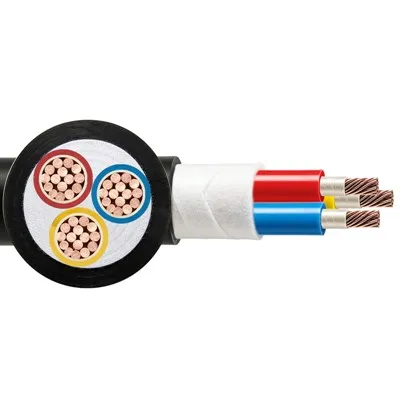
As a low-voltage power cable supplier, I’ve seen first – hand how important it is to choose the right cable for the job. Whether you’re setting up a small DC power system for your home or a larger industrial DC application, we’ve got a wide range of low-voltage power cables that can meet your needs.
Cable Assemblies & Accessories If you’re in the market for low-voltage power cables for your DC circuits, I’d love to chat with you. We can discuss your specific requirements and find the best cable solutions for you. Just reach out for a friendly chat, and we can start exploring how we can work together to get your project up and running smoothly.
References
- Fitzgerald, A. E., Kingsley, C., & Umans, S. D. (2011). Electric Machinery. McGraw – Hill.
- Grover, F. W. (2014). Inductance Calculations. Dover Publications.
Yangzhou Huayu Cable Co., Ltd.
Yangzhou Huayu Cable Co., Ltd. is one of the most professional power cable low voltage manufacturers and suppliers in China, also supports customized service with low price. Please feel free to wholesale advanced power cable low voltage made in China here from our factory. Contact us for pricelist.
Address: No. 9 Jingang Road, Yangzhou City, Jiangsu Province, China
E-mail: huayucableco@126.com
WebSite: https://www.huayucabletech.com/
